Stock trades by lawmakers including Cleo Fields and John Fetterman are raising new questions after investments in companies appear to be conflicts of interest.
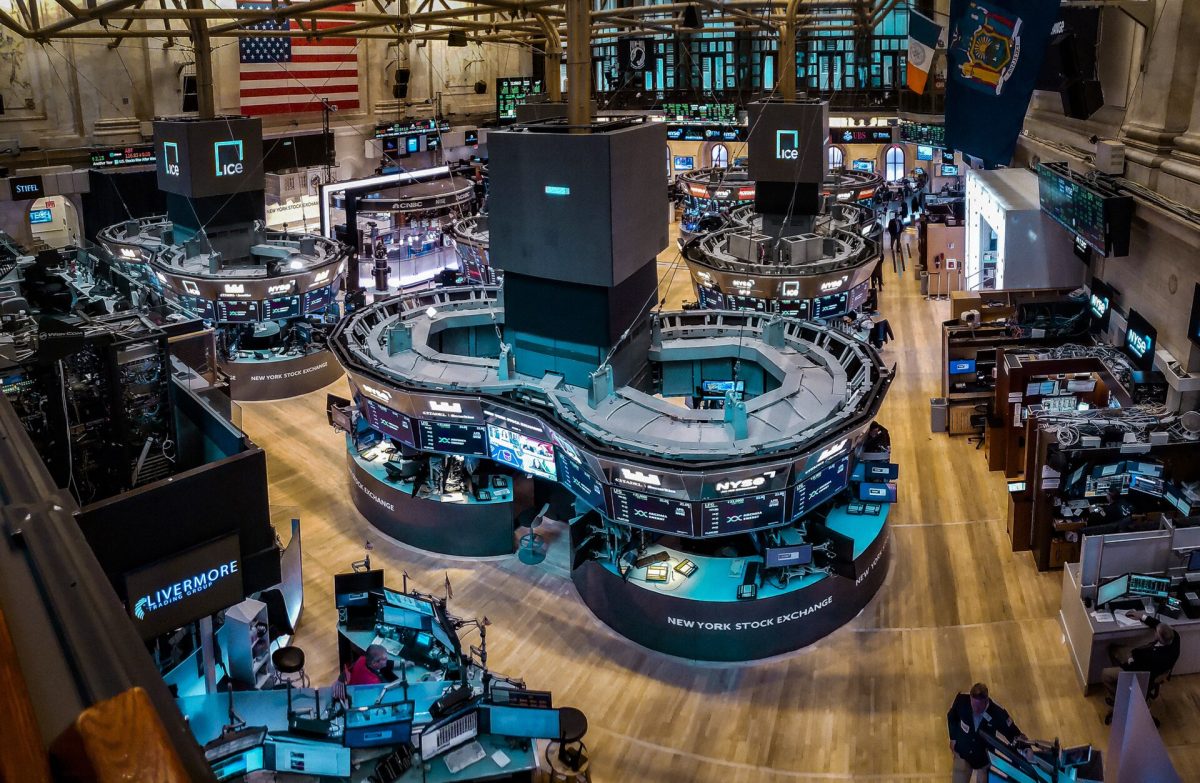
Recent reports of congressional stock trades have reignited concerns about whether lawmakers can fairly participate in the markets they help regulate. Cases involving lawmakers such as Cleo Fields have raised questions about timing, transparency, and potential conflicts of interest. As scrutiny intensifies and more cases come to light, stricter limits on congressional stock trading are gaining momentum.
The Stop Trading on Congressional Knowledge (STOCK) Act, signed into law on April 4, 2012 “prohibits members and employees of Congress, the President, Vice President, and executive branch employees from using nonpublic information for private profit,” according to the U.S. Congress.
On September, 2025, Cleo Fields, an attorney who represents Louisiana’s 6th Congressional district in the House of Representatives, drew scrutiny after buying as much as $200,000 in Oracle Corporation stock days before the news was reveal to the public that the company would be involved in a big federal deal involving TikTok. This case highlights concerns about the timing of the individual trades, but broader federal policy decisions have also put greater attention on lawmakers’ financial activity.
Fields, 63, is on the House Financial Services Committee, which oversees CFIUS, or the Committee on Foreign Investment in the United States, a federal panel that reviews foreign investments for national security risks involving companies like Taiwan Semiconductor Manufacturing Company (TSMC), one of the largest semiconductor producers in the world. In such cases, conflicts of interest are concerned with the intersection of the official duties of lawmakers and their financial activities.
The reported purchase of Oracle stock by Fields just before the company’s involvement in a federal TikTok deal became public has raised questions about whether members of Congress might have knowledge that could influence investment decisions, even if no rules are proven to be broken.
Teppei Morita, a senior boarder from Japan, questioned whether the timing of Cleo Fields’ trades is purely coincidental.
“It’s hard to believe it’s just coincidence when lawmakers are shaping policies that directly affect certain industries and then invest in those same companies at key moments,” he said. “To me, that points to insider trading involvement, or at the very least access to information that the public doesn’t have.”
Lawmaker John Fetterman has come under fire as well, as Congress continues to pass large-scale legislation that directs funding into specific industries. The CHIPS and Science Act of 2022, or Creating Helpful Incentives to Produce Semiconductors Act, is a major federal investment in semiconductor manufacturing. The sort of situation has put a spotlight on how lawmakers’ financial holdings may intersect with the industries they regulate through policy decisions, especially when those holdings are disclosed but still raise questions about timing and possible conflict.
Jumpei Ro, a senior boarder from Japan, said the issue goes beyond individual cases.
“It can potentially undermine the integrity of the system,” he said. “Even if nothing illegal is proven, it creates doubt that the system isn’t fully fair or transparent.”
Jumpei believes these individual cases are only “surface level” and that members of Congress are not the only ones benefitting from insider information.
Jack Wilson, a senior boarder from San Francisco, believes there is no end to this issue.
“It feels like even when new rules are put in place, lawmakers still have ways to legally trade stocks while being involved in decisions that affect those same companies.”