A titan of the natural world may not have much longer left on earth.
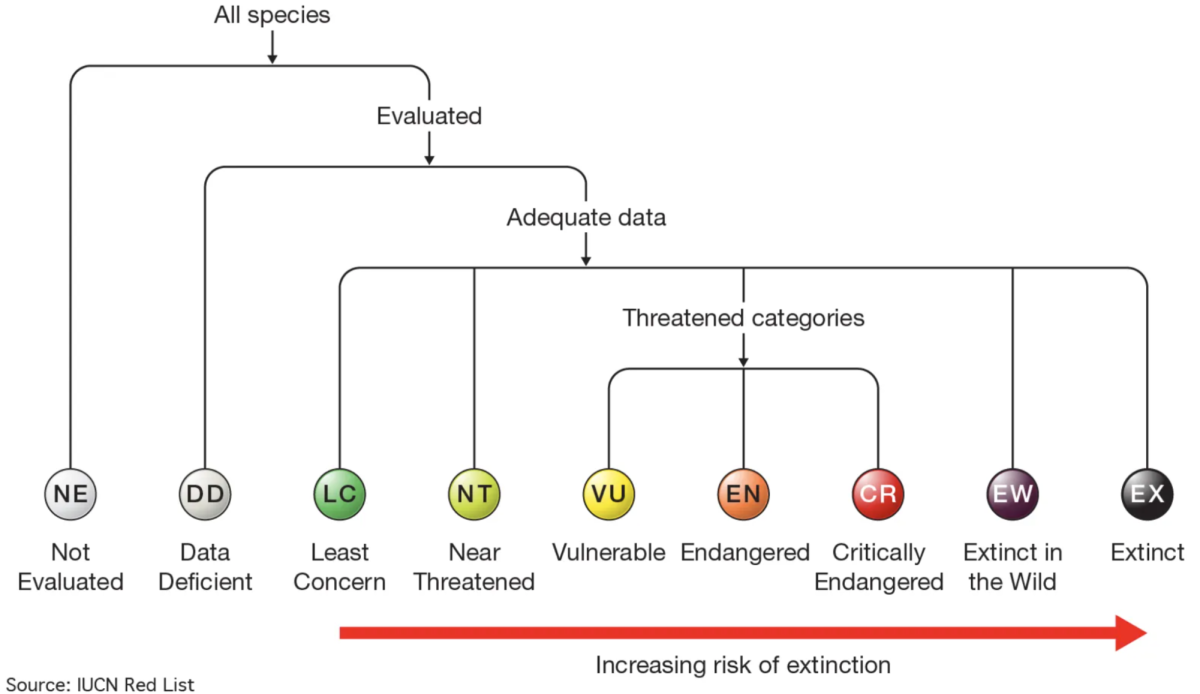
On April 9, Emperor Penguins joined the endangered species list. The World Wildlife Foundation warns that “Emperor Penguins could go extinct by the end of this century.” The Penguin population decline is a result of vanishing sea ice in the Arctic Ocean, according to the
According to the Woods Hole Oceanographic Institution, the world’s largest private nonprofit organization for ocean research, the emperor penguin decline began in the 1970s. A biologist, Stephanie Jenouvrier, says emperor penguins are especially impacted by the loss of sea ice and food, since they breed and raise their young “almost exclusively on sea ice.”
She also explains disappearing sea ice affects penguins’ food source.
“The birds feed on fish, squid, and krill, which in turn feeds on tiny zooplankton, phytoplankton, and algae that grows on the underside of the ice,” she said. “If the ice goes so will the plankton, causing a ripple effect through the food web.”
Emperor penguins are joining polar bears, many seal species, most recently fur seals, lemmings, walruses, and many more on the International Union for Conservation of Nature (IUCN) Red List Endangered section, which includes species who have also been harmed by sea ice reduction.
According to the Antarctic and Southern Ocean Coalition, a non-governmental organization dedicated to protecting Antarctica’s ecosystem, penguins also spend time on ice shelfs, which are floating extensions of land ice attached to coastlines (primarily in Antarctica), for part of the year.
The National Ocean Service writes, “Sea ice affects both global ocean temperatures and the global movement of ocean waters.” So when sea ice breaks, there’s no barriers to protect the ice shelves from currents, which results in pieces breaking off the shelve and floating out to sea. In addition to this, climate change also weakens the shelves themselves. In several instances, penguins, mainly baby ones who haven’t developed swimming skills yet, have become stranded on the detached shelves.
On April 9, The Guardian reported that “A massive drowning of chicks puts emperor penguins at risk of extinction” that resulted in “the IUCN to declare the species officially in danger of extinction.”
Hiya Patel, a sophomore at Williston high school says, “Global warming has really impacted these poor animals.” She explains the loss of penguins “adds to the reasons why I think it sucks.”
“That’s so sad, I love penguins,” replied Maddie Taylor, a freshman at Williston upon hearing that penguins were endangered.
Isabella Yunusov, also a freshman at Williston, feels, “Penguins are awesome, amazing, and beautiful animals. She believes the penguins’ endangerment shouldn’t be disregarded just because they’re not human.
Penguins are not only loved, but also play an important role in the ecosystem. According to the World Wildlife Foundation, they maintain balance in the food chain by eating smaller species, like fish and krill, but also are a primary source of food for larger predators like leopard seals and orcas.
“This planet is one big interconnected ecosystem where every living thing depends on the others to survive,” says Leah Ellis, an Aquatic Biologist who works for a non-profit Tribal conservation organization. “Many species work together in a delicate balance of give and take.”
Emperor penguins also transport ocean nutrients. Danielle Hall, a writer for the Smithsonian, a museum for penguin research, noted that penguins spend “up to 75% of their life in the water. So when they travel back to land, they transport elements like nitrogen and carbon.”
According to the Wildlife Conservation Network, this helps fertilize the landscape and is a food source for microorganisms and algae.
Emperor Penguins are also an indicator of climate change. Mark Boyce explains in a National Library of Medicine article explains how scientists use field technology to track the threat level penguins face. Scientists observed “changes through colony abandonment, declining populations, and shifted breeding cycles.”
The future, unfortunately, isn’t looking great for Emperor Penguins.
According to Alan Rappeport, a journalist for the New York Times and an economic policy reporter, at the rate global warming has been rapidly increasing, serious measures need to be taken, namely that “nations need to reduce their emissions.”
“The only reason for the observed warming are human activities, and the biggest of those activities are the emissions of heat-trapping gases from burning fossil fuels,” said Katharine Hayhoe, an atmospheric scientist at Texas Tech University.
“I really think that if human beings are to survive the current climate crisis, we need to adopt an Indigenous worldview,” she wrote. “By that, I mean a culture that prioritizes connection with each other and nature, reciprocity and responsibility, meaning if we take, what do we owe in return, and consider how our actions today affect people and the planet hundreds of years from now.”
In 2019, the Center for Biological Diversity sued the Trump administration for failing to protect emperor penguins under the Endangered Species Act.