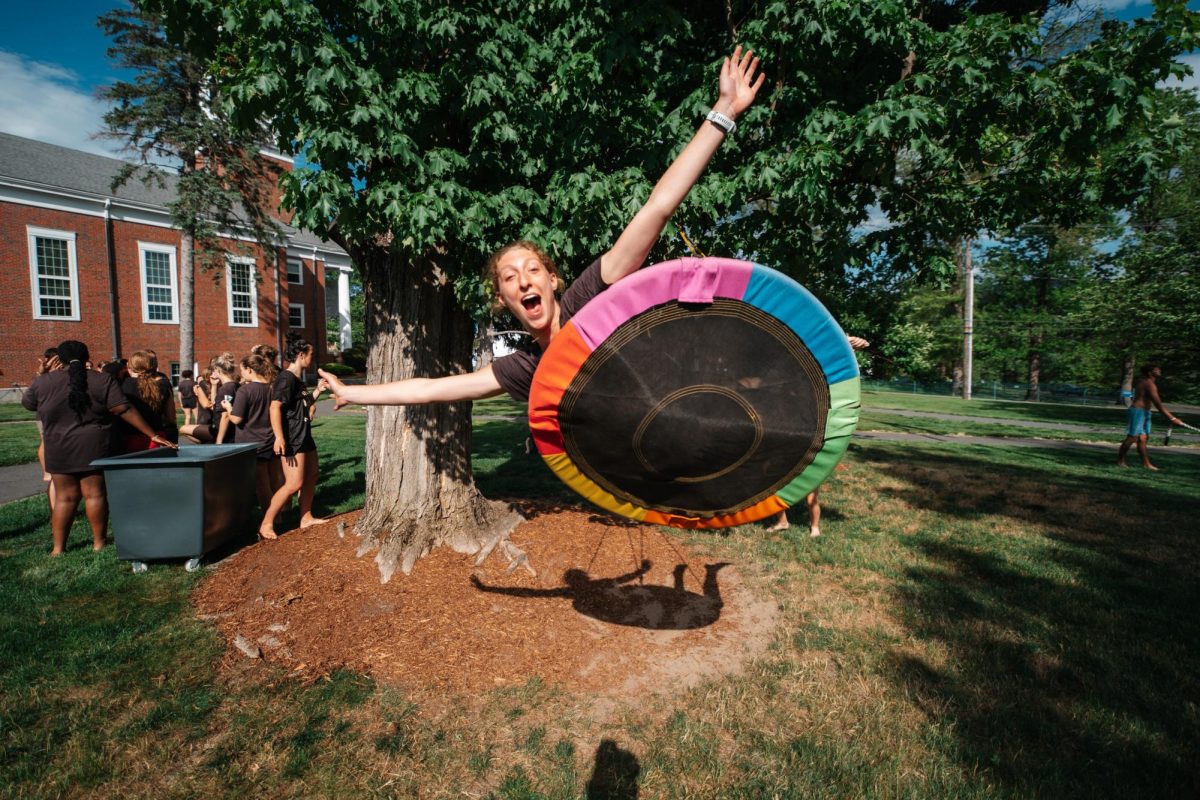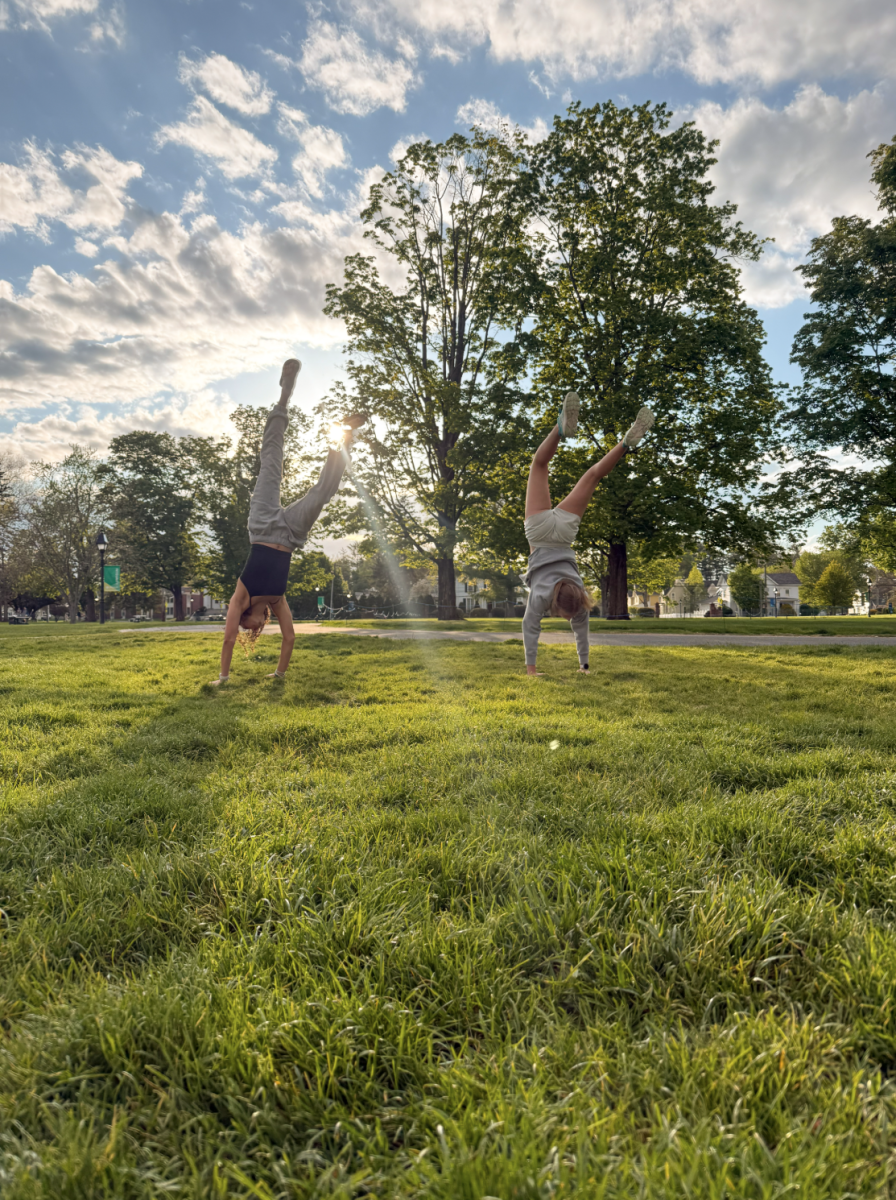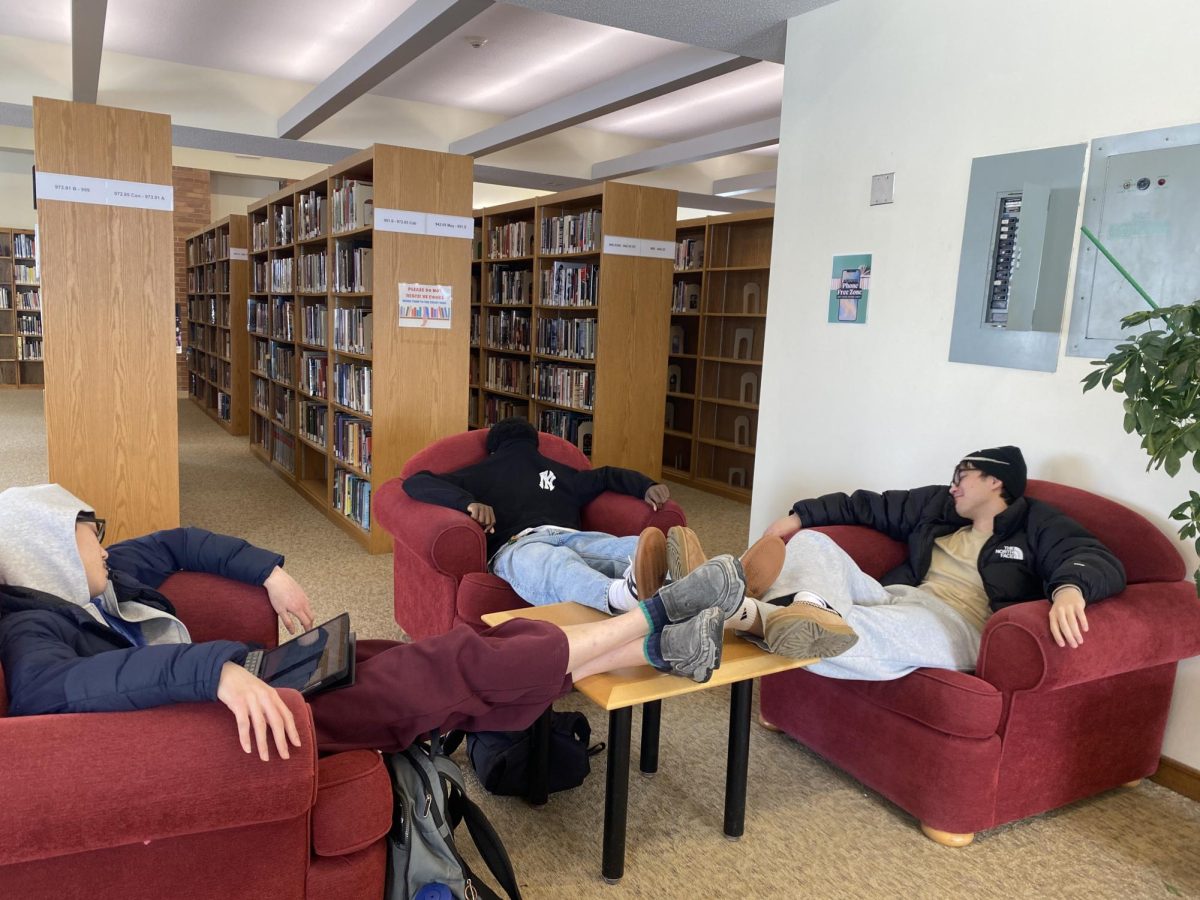
Spring has hit, which means so has senioritis.
Senioritis is when seniors lose motivation to do any and all kinds of work. This tends to happen when Spring weather arrives and college decisions are finalized. Symptoms of this ancient and highly contagious disease include starting to slack on homework, not studying as much, and skipping or showing up late to classes. Now that it is starting to get warm again and graduation isn’t far off, students are finding themselves less motivated to do what they need to do.
Mia Townshend, a senior boarder from Wakefield, Mass., has just started to feel senioritis.
“It just came after long weekend, and this weekend especially because I had so many homework assignments due,” she says.
Mia, however, is finding senior spring harder than she would have thought.
“I also feel like everyone says that senior spring’s supposed to be easy … so far, it’s proven to be harder than the first two trimesters,” she said.
Skyler Walker, a senior boarder from Barrington, R. I., has felt like she has been slacking in her classes. However, Skylar’s case of senioritis, she said, began earlier than usual.
“I have felt senioritis from the start of the year,” she said.
Skyler has seen many differences in her work from last year to this year.
“Last year I would really care about my grades, but this year I do not care as much,” she said. “I don’t study as much as I used to and I don’t put in as much effort on my homework.”
Easton Anello, a junior boarder from Windsor, Mass., has begun to feel senioritis even though he is not a senior.
“I have felt senioritis before because I won’t be coming back next year,” he explained. “Instead I will be going to Cape Breton in Nova Scotia to play Juniors [hockey] for two years,” he says.
Andrew Shelffo, a senior and junior English teacher at Williston, believes that teachers have to recognize that, whether they like it or not, senioritis has started.
“I think senioritis is real and senioritis is understandable,” said Shelffo. “As the weather gets nice and people get closer to graduation their excitement builds. It something the teachers have to take in to consideration.”
Despite this, Shelffo noted he has “seen some slipping in classes but I have not seen many students giving up.”
Southern New Hampshire University mentions the best ways to avoid senioritis is to take classes that interest you, get involved, and start thinking about your future.
Karla Schaffer a math teacher and dorm parent at Williston, has many seniors in her classes, so sees many students go through senioritis and understands the difficulty of the condition.
“Students [this time of year] in class often question … why they are there and why they are taking notes,” she said. “Instead I have been doing handwritten notes instead because if students are going to be bored they can stare at their paper instead of getting distracted on their computer.”