This month, the spinning pinwheels found in gardens are taking on a new meaning.
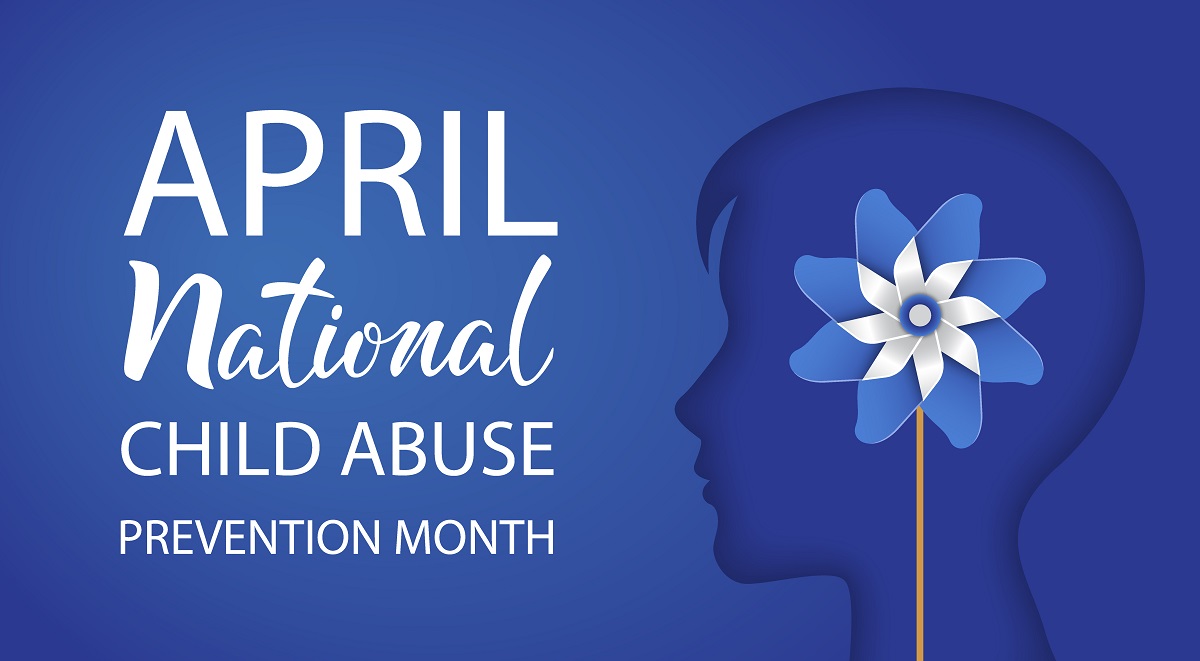
Pinwheels of Possibility is the theme of this April’s Child Abuse Prevention Month. Organizations like Prevent Child Abuse America and the Children’s Advocacy Center are using this month to inform their communities about the importance of action.
Child Abuse Prevention Month began June 6, 1982, originally as a weeklong event. It was extended the following year to the entire month of April and since then, child abuse prevention has received a national spotlight every April. Fundraisers and awareness focused events, like Pinwheels of Possibility, have sprung up around the country in support of Child Abuse Prevention.
In Easthampton, a few organizations have also been using the month to forward the cause.
The Child Advocacy Center (CAC) of Hampshire County, a center that specializes in response to allegations surrounding child abuse, is hosting a luminaria lighting on April 29 in Look Park. They will light over 3,200 luminaries representing the number of child abuse survivors in Hampshire County who have been helped by the CAC.
Additionally, the Mayor of Easthampton, Salem Derby, raised a flag next to City Hall alongside leaders of the Children’s Advocacy Center, the District Attorney, and members of the school committee to declare their commitment to child safety in Hampshire County.
Derby remarked on the importance of raising awareness and the universality of care for the cause.
“It’s a real easy thing to support” he said. “To try to shine a light on the fact that there’s kids in our community that are not taken care of the way they should be.”
He also commented on his time as a public educator and his experience reporting or suspecting abuse against students.
“It’s unfortunate that that has to be a part of the equation as a teacher,” said Derby. “But it does, because it is pretty common.”
According to the National Children’s Alliance, more than 53,000 children are known by United States authorities to be abused. In 2022, Massachusetts had the highest rate of child abuse in America; for every 100,000 children 16.5 were abused.
Keira Durrett, the director of the Williston Children’s Center, described the teacher’s role in reporting child abuse.
“Every teacher in Massachusetts is a mandated reporter,” she said. “Which means we’re mandated to call [the Department of Children and Families] and report if we suspect any abuse or neglect.”
The Department of Children and Families (DCF) is a state agency responsible for investigating reported abuse and supporting families and communities to raise children. If you’d like to report suspected abuse, the DCF hotline is 800-792-5200.
Durrett highlighted the range of ways in which child abuse can present in children.
“There’s sometimes really super obvious things,” she said, for example, “when children are verbal, if they can tell you what happened. Not here, in other places I’ve worked in, kids are really clear. Like ‘Mommy hits me’…Then sometimes it’s less obvious,” added Durrett. “Like a child who is withdrawn or who doesn’t come prepared for school.”
In a less clear-cut case of neglect, Durrett emphasized the importance of prioritizing the child and the family.
“The goal is to give them support,” she said. “So, if you notice that a child is struggling, or a family is struggling, the goal is to get them what they need.”
While recognizing difficulties, she said a strong bond can help resolve potential abuse before it becomes a reality.
“If it’s your neighbor and you’re concerned about a child … it’s always best to build a relationship with your neighbor and say, ‘how can I help?’” Durrett reasoned. “That can be tricky sometimes. Not everyone can do that and not everyone is open to having help.”
However, if you believe a child is in immediate danger, she stressed the importance of contacting DCF or the police.
During a visit to the Northampton Center, Kara McElhone, the Executive Director of the CAC of Hampshire County, described to me their process in helping children.
“This is where kids come when there’s been a disclosure of severe physical abuse, exploitation, or sexual abuse” said McElhone. “We serve kids from all across Hampshire County, babies up to 18.”
The Hampshire County CACs help about 200 kids per year, free of charge and regardless of documentation status, religion, origin, race, disability, or sexual orientation. Their services include therapy, medical attention, and legal assistance; however, no part of the process is required if the child does not wish it. If you’d like to contact the CAC, their contact information is available at www.cachampshire.org.
Without the help of a Child Advocacy Center, children must be re-traumatized while seeking help, describes McElhone.
“Without CACs on average a child has to disclose what happened to them 11 times,” she said
However, McElhone also remarked that many children and adults are unaware of CACs before they need them.
“A lot of people don’t know we exist until they need our services,” she said.
Child Abuse Prevention month can act to inform the community that a problem exists, and that action to support families and children is necessary. This is an important aspect of the month, according to McElhone.
“We live in a great area, you know, a lot of people care,” she stated. “We just need people to know about it and to want to help come up with solutions.”
Her hope is that Hampshire County will become the safest place in the country to raise kids, a hope she says is completely achievable.
“We can do that, and the way that we do that is … obviously to provide the response—but to do a lot of intervention and a lot of prevention … and to really let the community know that we need everybody to work together—to make sure that kids have the safety they deserve.”
Exclusive: Easthampton Mayor Talks Town’s Role in Preventing Child Abuse
More to Discover