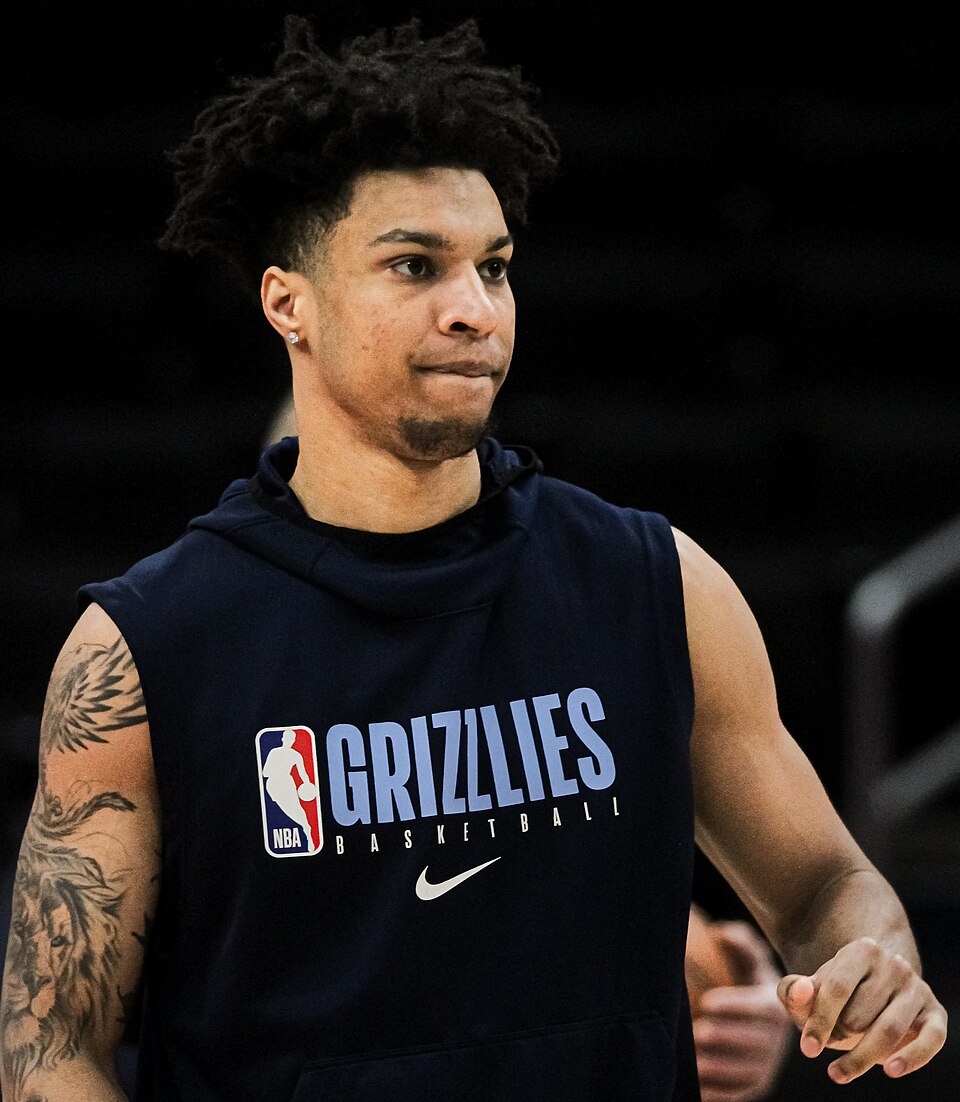
A bold attempt to break a multimillion-dollar contract sent Washington quarterback Demond Williams Jr. into the center of a national firestorm — and ended almost immediately with his return to Seattle.
Williams, one of college football’s most valuable quarterbacks, announced his intention to enter the transfer portal on Jan. 6, only days after signing a lucrative revenue-sharing agreement with the University of Washington. Less than 48 hours later, he reversed course, saying he would remain with the Huskies after “thoughtful reflection.”
The brief saga exposed a new tension in college athletics: the growing power and limits of revenue-sharing contracts in the current landscape of the transfer market.
Williams’ initial announcement stunned college football. On Jan. 2, Washington had finalized a deal that would pay him roughly $4 million annually, placing him among the sport’s highest-paid players. Williams threw for more than 3,000 yards and 25 touchdowns in 2025, leading Washington to a 9-4 season and entering 2026 as one of the nation’s top quarterbacks.
According to a report from CBS Sports on Jan. 9, Williams’ family believed a competing offer of up to $6 million was available from programs including Alabama, LSU, Miami and Oregon. Encouraged by outside voices and rising dollar figures, Williams attempted to enter the portal despite having already signed a binding agreement with Washington.
The decision surprised even his representatives. Wasserman Sports, the agency representing Williams and Washington head coach Jedd Fisch, officially cut ties with the quarterback shortly after his announcement. Agent Doug Hendrickson cited “philosophical differences,” highlighting how far the move strayed from standard industry practice.
The timing of Williams’ post intensified backlash. Much of the Washington football team was attending a memorial service for soccer player Mia Hamant at the time of the announcement, prompting outrage within the Huskies community. Fisch’s wife, Amber, called the move “disgusting” in an Instagram comment.
Behind the scenes, Washington refused to formally enter Williams into the transfer portal, citing his contract. Big Ten athletic directors reportedly met to discuss the case and showed unanimous support for Washington in enforcing the agreement, wary of creating a precedent that could weaken conference-wide contracts.
As legal pressure mounted, Williams’ options narrowed. He hired NIL and sports attorney Darren Heitner, but schools grew wary of pursuing him amid concerns about lawsuits and potential tampering allegations.
“I’m trying to stay out of all of that,” one source at a quarterback-needy program told CBS Sports.
By midweek, Williams faced a stark choice: challenge the deal in court or return to Washington. Conversations between Williams and the Huskies resumed, and he soon chose to come back. He is expected to apologize to teammates but will retain his role as Washington’s starting quarterback. The terms of his contract will not change.
Following the House v. NCAA settlement, schools can distribute up to $20.5 million annually in revenue sharing across all sports, leading universities to sign athletes to contracts resembling professional agreements.
Williston football defensive coordinator Jayson Leigh highlights the drastic changes surrounding the transfer portal and revenue-sharing era in college athletics.
“I’m not a fan of the transfer portal. While it can make sense for some athletes, too often it’s about chasing more money or assuming the grass is greener elsewhere,” Leigh said. “I don’t blame the players for taking advantage of the system, but it’s hurting the culture and shifting the focus away from development.”
Many deals include buyout clauses requiring athletes to repay remaining contract value if they leave early. In Williams’ case, that figure was reportedly close to $4 million — a cost that would also count against any new school’s revenue-sharing cap.
Even if enforcement is difficult in court, Williams’ turbulent 48 hours showed these contracts can still deter movement, a rare moment in the NIL era where the school has leverage over the player.